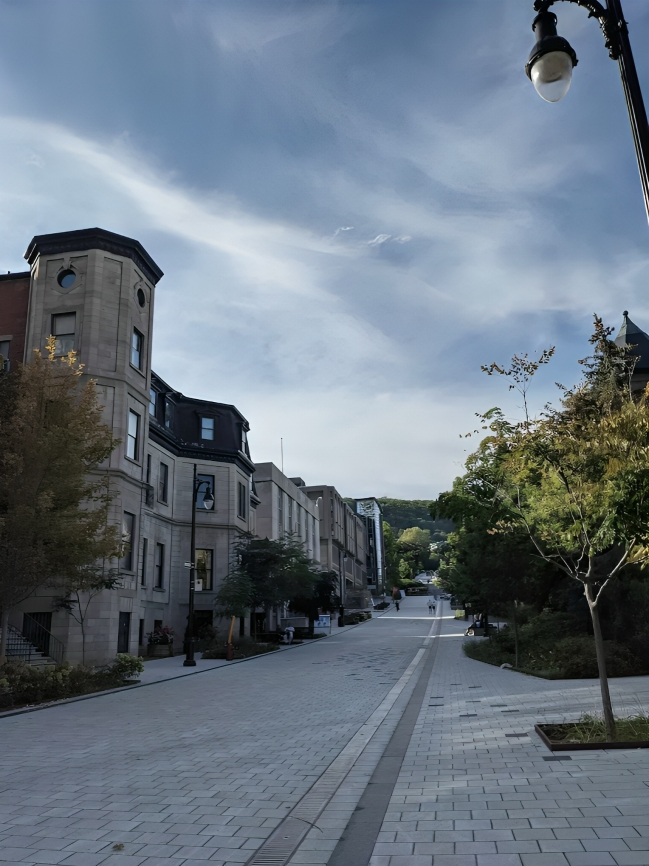
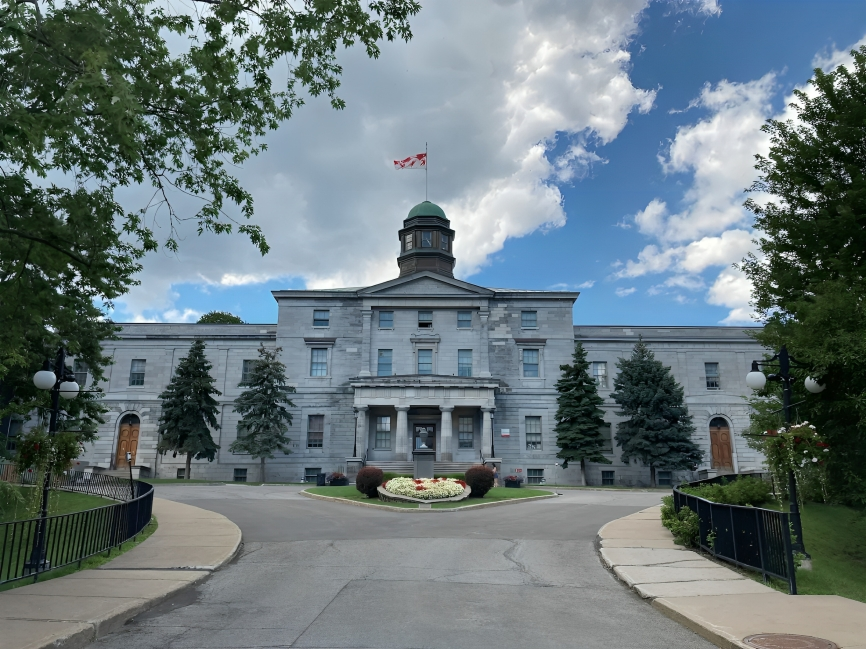
McGill University stands as a cornerstone of academic excellence and innovation, nestled in the heart of Montreal, one of North America’s most vibrant and culturally rich cities. The Downtown Campus, located at the foot of Mount Royal, blends historic limestone buildings with modern facilities, creating an inspiring urban learning environment. The Macdonald Campus, 30 kilometers west, spans 650 hectares of green fields and waterfront, focusing on agricultural, environmental, and food sciences. Together, these campuses offer over 400 undergraduate and graduate programs across 11 faculties and schools, including Arts, Science, Medicine, Engineering, Law, Management (Desautels), and Music (Schulich), catering to a diverse student body of over 40,000, with a strong international presence (32% of students from 150+ countries). McGill’s academic rigor is globally recognized, with standout programs in neuroscience, medicine, and sustainability. Its Faculty of Medicine, one of Canada’s oldest, is affiliated with teaching hospitals like the McGill University Health Centre, fostering cutting-edge clinical training. The university’s library system, housing over 6 million items, and advanced research facilities, such as the McGill Space Institute, support a dynamic learning environment. McGill emphasizes experiential learning through internships, co-ops, field studies, and global exchange programs, with partnerships at over 160 institutions worldwide. Its bilingual setting—English primary, with French immersion opportunities—reflects Montreal’s unique cultural fabric. As a research powerhouse, McGill attracts over $500 million in annual research funding, driving discoveries in fields like pain research (pioneered by Ronald Melzack), green chemistry, and Arctic climate studies. The university hosts world-class institutes, including the Max Bell School of Public Policy and the McGill Institute for the Study of Canada. McGill’s legacy of innovation includes the invention of the artificial blood cell and contributions to the Human Genome Project. Its alumni network, exceeding 300,000, features luminaries like Prime Minister Justin Trudeau, astronaut Dave Williams, and singer-songwriter Leonard Cohen. Student life at McGill is vibrant, with over 250 student organizations, from the McGill Debating Union to cultural and sustainability clubs. The McGill Redbirds and Martlets compete in U Sports, and the university’s downtown location offers access to Montreal’s festivals, museums, and nightlife, including the Quartier des Spectacles. On-campus, students enjoy facilities like the McGill Athletics and Recreation Centre and residence halls housing over 3,000 undergraduates. The Macdonald Campus provides a close-knit community with farm-based learning and outdoor activities. McGill’s commitment to sustainability is evident in its Vision 2020 Climate & Sustainability Action Plan, aiming for carbon neutrality by 2040. Globally, McGill ranks 29th in the QS World University Rankings 2025, 49th in Times Higher Education 2025, and 53rd in U.S. News Best Global Universities, excelling in graduate employability and research impact. Its competitive admissions process is supported by extensive financial aid, including the Entrance Scholarship Program and need-based aid for international students. McGill’s Indigenous initiatives, such as the Indigenous Studies Program and partnerships with First Nations communities, underscore its commitment to reconciliation. With its blend of academic prestige, innovative research, and a lively, multicultural campus life in one of the world’s most livable cities, McGill empowers students to shape global solutions and thrive in a connected world.
See more...Montreal, Quebec, Canada
University Address1821
Founded DatePublic University
University TypeCAD 15000-20000 /Year
Living ExpenseNo courses found